FitNourish
Services
Tools
Book Now

Personalised for You

What you eat directly affects how you think. Research confirms that omega-3 fatty acids, B-vitamins, iron and antioxidants fuel neurotransmitter production and protect brain cells from oxidative damage. Our concentration-builder plan feeds your brain the exact nutrients it craves — helping students, professionals and seniors think faster, remember more and stay alert longer.

Who This is For

  • Students preparing for competitive exams (UPSC, CAT, NEET, JEE)
  • Working professionals dealing with brain fog or afternoon slumps
  • Remote workers struggling with screen fatigue and low focus
  • Seniors wanting to protect memory and cognitive sharpness
  • Anyone recovering from COVID-related brain fog
  • Children with attention or learning difficulties
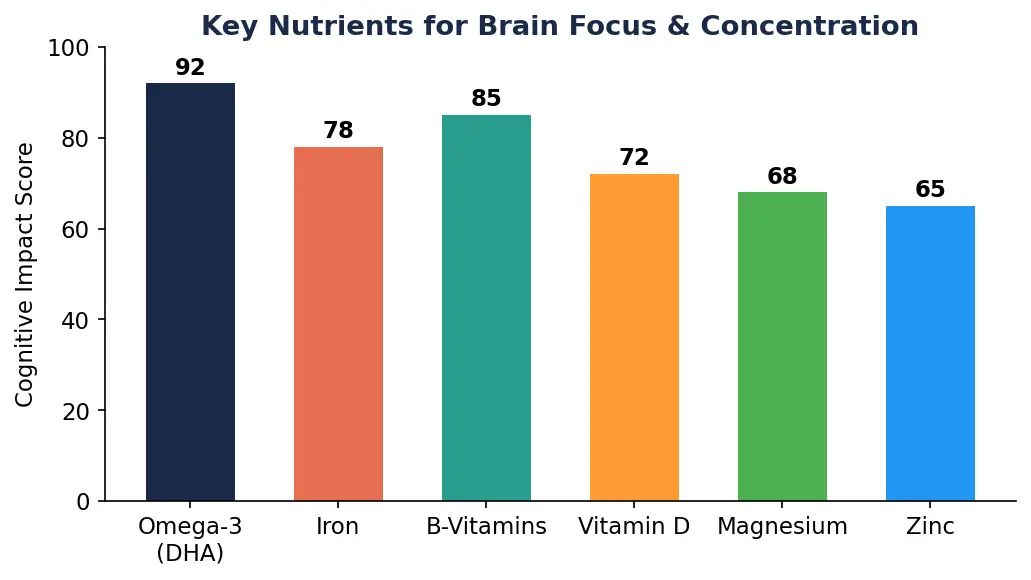
Concentration & Brain Focus Diet
Our Approach

How We Help You

Neuro-Nutrient Mapping

We assess your current intake of DHA, iron, B12, magnesium and zinc — the five pillars of cognitive performance.

Brain-First Meal Design

Every meal includes at least two brain-boosting foods: fatty fish, walnuts, eggs, dark greens or berries.

Chrono-Nutrition Timing

We time carbs, protein and fats around your peak study or work hours to maximise alertness when it matters most.

Hydration & Electrolytes

Even 2% dehydration drops focus by 25%. We build a water and electrolyte schedule into your day.

Sleep-Nutrition Link

Evening meals include tryptophan and magnesium to improve sleep quality — the foundation of next-day focus.

Weekly Cognitive Check-In

We track self-reported focus scores, energy dips and sleep quality to fine-tune your plan every week.

Food Guide

What to Eat and What to Limit

Eat Plenty Of

  • Omega-3 sources: walnuts, flaxseed, chia, fatty fish (salmon, sardines)
  • Iron-rich foods: spinach, lentils, pumpkin seeds, fortified cereals
  • B-vitamin foods: eggs, yoghurt, whole grains, leafy greens
  • Antioxidant berries: blueberries, strawberries, amla, pomegranate
  • Dark chocolate (70%+ cocoa) in moderation
  • Turmeric with black pepper for curcumin absorption

Limit or Avoid

  • Excess refined sugar that causes energy crashes
  • Ultra-processed snacks: chips, biscuits, instant noodles
  • Heavy fried meals that divert blood from brain to gut
  • Excessive caffeine beyond 2 cups daily
  • Alcohol — even moderate amounts impair memory consolidation
  • Artificial colours and preservatives linked to attention issues
78%
Report sharper focus in 2 weeks
Better afternoon alertness
65%
Reduction in brain fog episodes
4.8/5
Student satisfaction score
FAQs

Questions Our Clients Ask

Yes. Peer-reviewed studies show that DHA omega-3 improves working memory, iron prevents cognitive fatigue, and B-vitamins support neurotransmitter synthesis. Diet is the foundation of brain performance.

Most clients report fewer afternoon slumps within 7 to 10 days. Significant improvements in sustained attention typically appear by week three as nutrient stores rebuild.

Absolutely. We create age-appropriate plans with kid-friendly foods that still deliver the brain nutrients needed for learning, memory and exam stamina.

Supplements fill gaps, but whole foods deliver synergistic nutrients that pills cannot replicate. A brain-focused diet plan ensures absorption, timing and variety that supplements alone miss.

Nutrition supports — but does not replace — medical treatment for ADHD. Many clients report improved baseline attention when combined with their prescribed therapy.

Ready to start a plan that actually fits your life?

Speak to a registered dietitian in your time zone, in your language.

Book Your Free Consultation
WhatsApp Book
Free 20-Min Consultation