FitNourish
Services
Tools
Book Now

Personalised for You

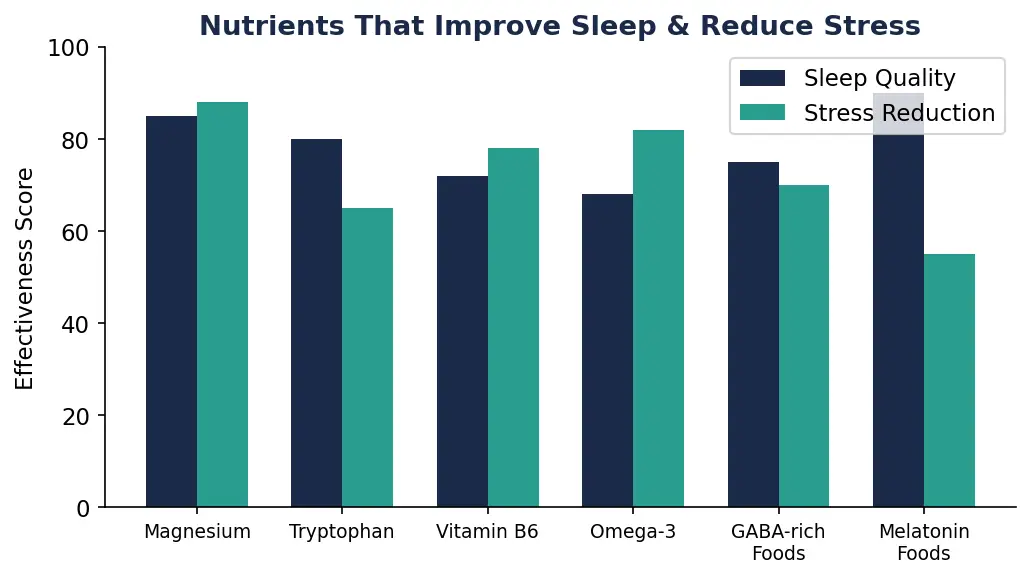
Poor sleep and chronic stress are the silent saboteurs of health. They raise cortisol, trigger cravings, store belly fat and weaken immunity. Our sleep and stress nutrition plan targets the gut-brain axis with magnesium, tryptophan, B-vitamins and adaptogenic foods — helping you fall asleep faster, stay asleep longer and handle daily pressure without emotional eating.

Who This is For

  • People who take more than 30 minutes to fall asleep
  • Those waking up at 2-4 AM and unable to return to sleep
  • High-stress professionals with constant deadlines and pressure
  • Emotional eaters who binge when anxious or overwhelmed
  • Anyone with elevated cortisol or adrenal fatigue symptoms
  • Shift workers struggling with disrupted circadian rhythms
Sleep & Stress Management Diet Plan
Our Approach

How We Help You

Chrono-Nutrition Design

We time meals to support your circadian rhythm — lighter mornings, balanced afternoons and tryptophan-rich evenings for natural melatonin production.

Magnesium Loading

Most Indians are magnesium-deficient. We restore levels through pumpkin seeds, dark chocolate, spinach and magnesium-rich mineral water.

Cortisol-Calming Foods

Ashwagandha, chamomile, omega-3 and dark berries help regulate the HPA axis and lower stress hormone output.

Stimulant Audit

We identify hidden caffeine, sugar spikes and late-night screen habits that sabotage sleep architecture.

Anti-Craving Protocol

Balanced blood sugar throughout the day prevents the cortisol-driven cravings that lead to late-night bingeing.

Sleep Score Tracking

Weekly sleep quality scores (time to fall asleep, wake-ups, freshness) guide ongoing plan adjustments.

Food Guide

What to Eat and What to Limit

Eat Plenty Of

  • Tryptophan sources: warm milk, turkey, banana, pumpkin seeds, oats
  • Magnesium-rich: dark chocolate (70%+), spinach, almonds, avocado
  • Adaptogens: ashwagandha milk, tulsi tea, chamomile, valerian root
  • Omega-3 for brain calm: walnuts, flaxseed, fatty fish
  • Complex carbs at dinner: sweet potato, brown rice, whole wheat roti
  • Calming beverages: golden milk, cherry juice, passionflower tea

Limit or Avoid

  • Caffeine after 2 PM (coffee, green tea, dark chocolate in excess)
  • Alcohol — it fragments sleep architecture despite feeling relaxing
  • Heavy, spicy or fatty meals within 3 hours of bedtime
  • Refined sugar that causes blood sugar crashes and night waking
  • Energy drinks and pre-workout supplements in the evening
  • Excess screen-time snacking that pairs blue light with sugar hits
73%
Fall asleep faster in 2 weeks
65%
Fewer night-time wake-ups
80%
Report lower stress eating
4.8/5
Client satisfaction score
FAQs

Questions Our Clients Ask

Yes. Tryptophan converts to serotonin and then melatonin in the brain. Magnesium relaxes muscles and nerves. Studies show dietary changes improve sleep onset by 15 to 25 minutes within two weeks.

Early-morning waking often signals a cortisol spike or blood sugar drop. Our plan stabilises evening blood sugar with a balanced dinner and optional pre-bed snack to prevent this pattern.

Absolutely. Chronic stress raises cortisol, which drives belly fat storage and sugar cravings. By calming the stress response nutritionally, we break the cortisol-weight cycle.

Ashwagandha has strong safety data for daily use (300 to 600 mg). We include it through food-based preparations like ashwagandha milk. Those on thyroid medication should consult their doctor first.

Most clients report easier sleep onset within 7 to 10 days. Deep sleep improvement and reduced night waking typically follow by week 3 to 4 as magnesium and B-vitamin stores rebuild.

Ready to start a plan that actually fits your life?

Speak to a registered dietitian in your time zone, in your language.

Book Your Free Consultation
WhatsApp Book
Free 20-Min Consultation