FitNourish
Services
Tools
Book Now

Personalised for You

90% of serotonin — your happiness hormone — is produced in the gut. Emerging research confirms that what you eat profoundly affects how you feel. Our mood-support diet plan delivers omega-3, tryptophan, B-vitamins, magnesium and probiotics to nourish the gut-brain axis. This is not a replacement for therapy or medication — it is a powerful complement that many clients say made the difference.

Who This is For

  • People diagnosed with mild to moderate depression seeking dietary support
  • Those experiencing persistent low mood, lack of motivation or emotional flatness
  • Individuals with anxiety disorders wanting nutritional calming strategies
  • Anyone on antidepressants who wants to support recovery through food
  • People with seasonal affective disorder (SAD) during winter months
  • Those recovering from burnout or prolonged emotional exhaustion
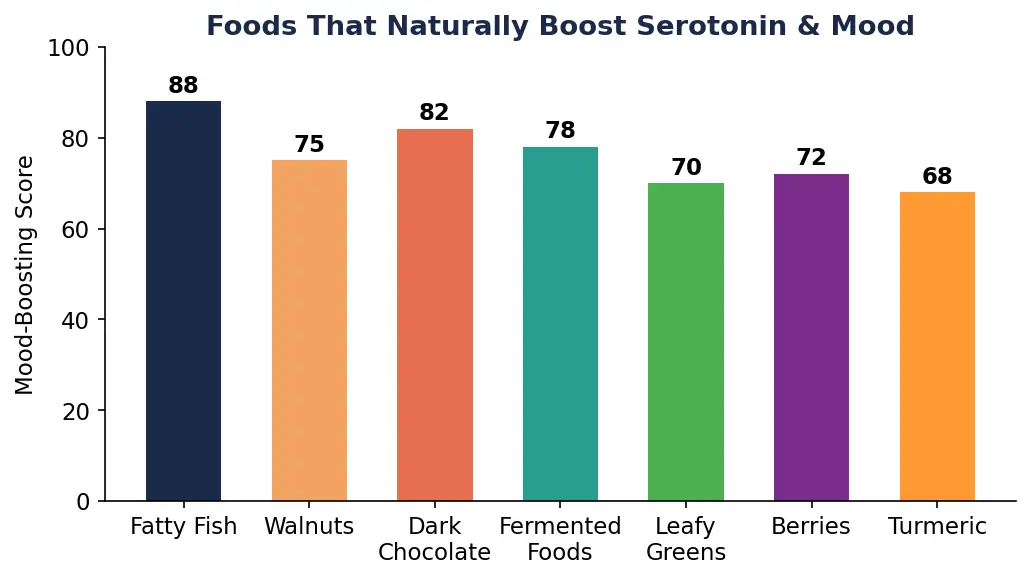
Diet Plan for Depression & Mood Support
Our Approach

How We Help You

Gut-Brain Assessment

We evaluate your current gut health, omega-3 status, B12, folate and vitamin D — all linked to depression risk.

Serotonin Precursor Loading

Tryptophan-rich foods (turkey, banana, milk, pumpkin seeds) paired with carbs to maximise brain serotonin production.

Anti-Inflammatory Protocol

Chronic inflammation drives depression. We reduce inflammatory foods and add omega-3, turmeric and polyphenols.

Gut Microbiome Repair

Fermented foods, prebiotic fibre and diverse plant foods to restore the gut bacteria that produce mood-regulating neurotransmitters.

Vitamin D Optimisation

Sunlight exposure guidance plus D3-rich foods and supplementation to address the deficiency found in 70% of depression cases.

Mood Diary Integration

Weekly mood scores correlated with dietary changes to identify which foods lift or lower your emotional baseline.

Food Guide

What to Eat and What to Limit

Eat Plenty Of

  • Omega-3 rich: fatty fish (salmon, mackerel), walnuts, flaxseed, chia
  • Tryptophan sources: turkey, eggs, milk, banana, pumpkin seeds
  • Fermented foods: yoghurt, kefir, kimchi, sauerkraut, kanji
  • Folate-rich greens: spinach, methi, broccoli, asparagus
  • Dark chocolate (70%+) — releases endorphins and phenylethylamine
  • Turmeric with black pepper — curcumin shown to rival mild antidepressants

Limit or Avoid

  • Refined sugar — causes mood crashes and feeds inflammatory gut bacteria
  • Ultra-processed foods linked to 33% higher depression risk in studies
  • Excess alcohol — a depressant that worsens anxiety and sleep
  • Trans fats and hydrogenated oils that increase brain inflammation
  • Artificial sweeteners that may disrupt gut microbiome balance
  • Excessive caffeine that triggers anxiety and panic in sensitive individuals
45%
Report mood improvement in 4 weeks
70%
Reduced anxiety symptoms by week 8
Better response to therapy with diet support
4.8/5
Client satisfaction rating
FAQs

Questions Our Clients Ask

Yes. The SMILES trial (2017) showed that a Mediterranean-style diet improved depression symptoms in 32% of participants — compared to 8% in the control group. Nutritional psychiatry is now an evidence-based field.

Never stop medication without your psychiatrist's guidance. This diet plan complements — not replaces — medical treatment. Many clients find diet support helps them respond better to their prescribed therapy.

Your gut produces 90% of serotonin and 50% of dopamine. An unhealthy gut microbiome reduces neurotransmitter production, increases inflammation and sends stress signals to the brain via the vagus nerve.

With modifications, yes. We work alongside your psychiatrist to ensure the plan supports mood stability without triggering manic episodes. Omega-3 and anti-inflammatory foods are particularly beneficial.

Initial improvements in energy and sleep often appear within 10 to 14 days. Meaningful mood shifts typically emerge by week 4 to 6 as gut bacteria rebalance and nutrient stores rebuild.

Ready to start a plan that actually fits your life?

Speak to a registered dietitian in your time zone, in your language.

Book Your Free Consultation
WhatsApp Book
Free 20-Min Consultation